Three ways to tighten a nut
Jan 09, 2026
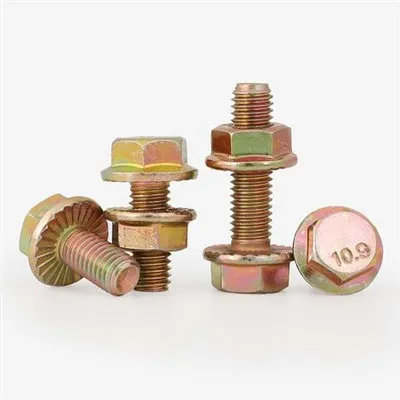
The first method involves screwing two identical nuts onto the same bolt, applying a tightening torque between the two nuts to ensure a reliable bolt connection.
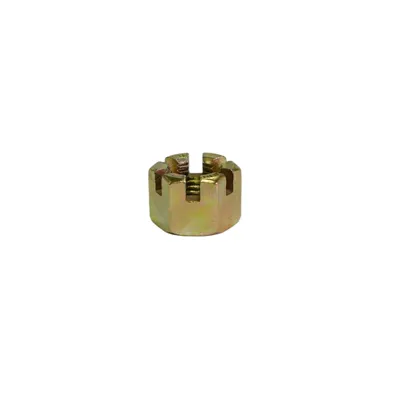
The second method uses a dedicated locknut, which requires the use of a lock washer. This locknut is not a hexagonal nut, but a round nut with 3, 4, 6, or 8 notches on its circumference (depending on the nut size and manufacturer's product series). These notches serve as the application points for the tightening tool and the entry points for the lock washer.
The third method involves drilling through-holes (usually two, spaced at 90° intervals on the outer surface) from the outer surface of the nut to the inner threaded surface. This is used to screw in a small-diameter countersunk screw, applying a centripetal force to the threads to prevent the locknut from loosening. Higher-quality locknuts sold on the market often have a small copper piece on the inner surface that matches the locknut's thread, preventing the radially tightening screw from directly contacting and damaging the locked threads. This type of locking nut is gradually being used in applications involving locking the shaft ends of rotating parts, such as preventing loosening of bearings at the mounting end of ball screws.