Key factors in nut selection
Jan 11, 2026
Environmental Adaptability
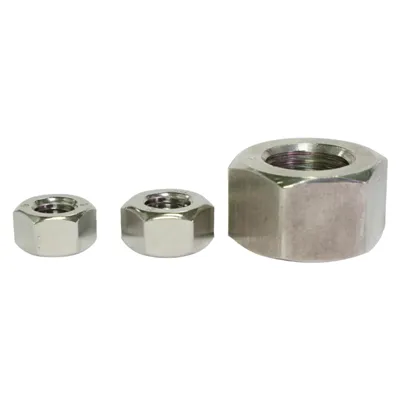
For humid, salt spray, or chemically corrosive environments, stainless steel or alloy steel nuts should be preferred; carbon steel nuts can be used in dry indoor environments. For example, coastal wind power equipment requires 316 stainless steel nuts to resist salt spray corrosion.
Load Requirements
High-load scenarios (such as bridges and cranes) require alloy steel nuts of grade 10.9 or higher; low-load scenarios (such as furniture assembly) can use carbon steel or plastic nuts.
Cost Considerations
Carbon steel nuts have the lowest cost and are suitable for large-scale procurement; stainless steel nuts are more expensive, but have low long-term maintenance costs; alloy steel nuts are only used in special scenarios due to their complex manufacturing process.
Industry Standards
Different industries have specific regulations regarding nut materials. For example, the automotive industry commonly uses 8.8 grade carbon steel nuts; food machinery requires 304 stainless steel nuts to meet hygiene standards.