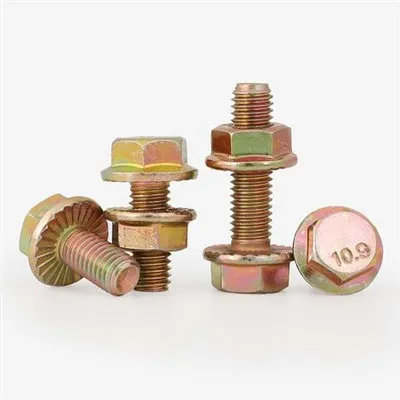
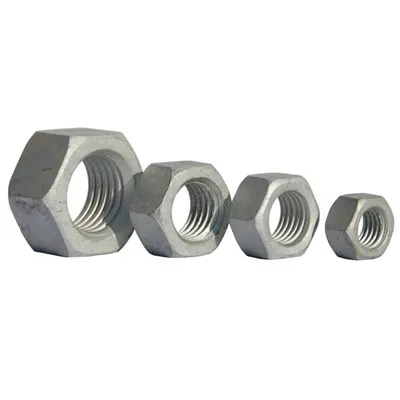
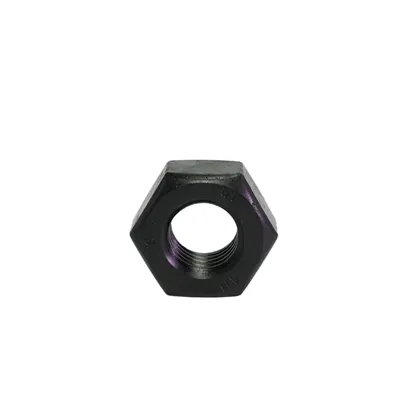
Bolt shape
Jan 03, 2026
Countersunk heads are generally used where a smooth, non-protruding surface is required after connection, because countersunk heads can be screwed into parts. Round heads can also be screwed into parts. Square heads can be tightened with greater force, but are much larger in size. In addition, to meet the need for locking after installation, there are bolts with holes in the head and shank, which can prevent the bolt from loosening when subjected to vibration. Some bolts have a thin shank without threads, called a narrow-waisted bolt. This type of bolt is beneficial for connections subjected to variable forces. There are special high-strength bolts for steel structures, which have larger heads and different dimensions.
There are also special uses: T-slot bolts are most commonly used on machine tool fixtures, with a special shape, and the two sides of the head need to be cut off. Anchor bolts are used for connecting and fixing machines to the ground, and come in many shapes. U-bolts, as mentioned above. And so on. There are also special studs for welding, with threads on one end and no threads on the other end, which can be welded to parts, and the other end can be directly screwed with a nut. [1]